Originally published: February 7, 2021 | Updated: December 30, 2025
INTRODUCTION: WHAT IS A BERNEDOODLE?
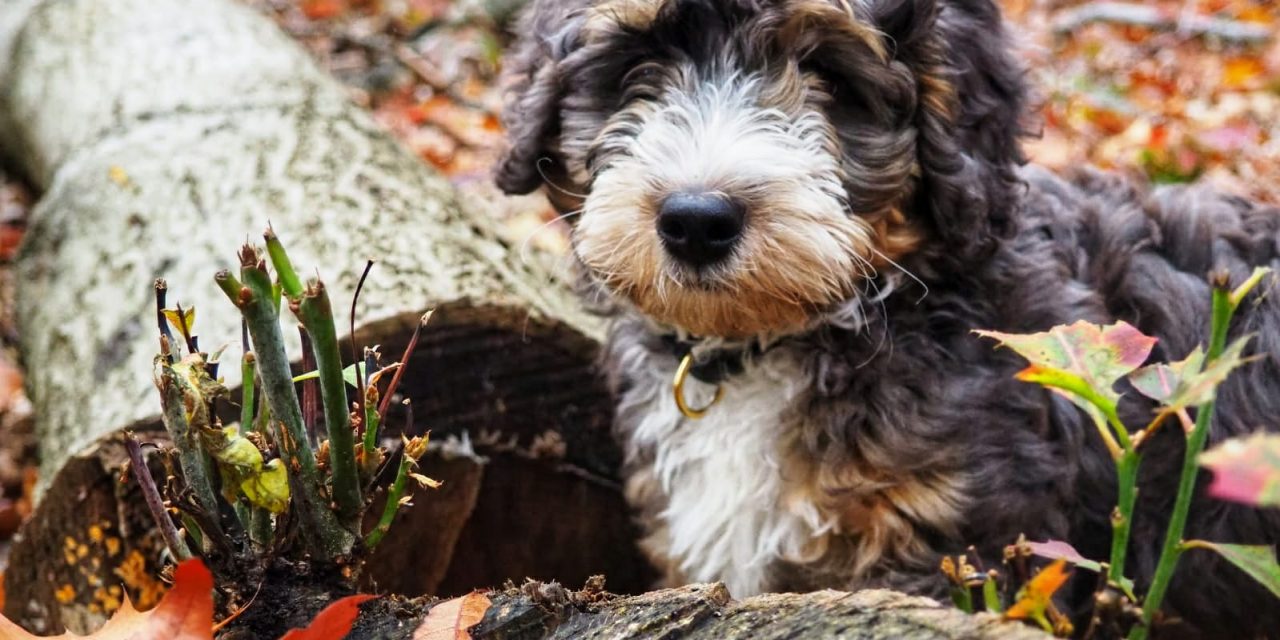
I’m the proud owner of an F1B Mini Bernedoodle (pictured above). A Bernedoodle is a cross between a Bernese Mountain Dog and a Poodle, combining the best traits of both breeds. We previously had a Bernese Mountain Dog, but because of its shorter lifespan, we decided to welcome a Bernedoodle into our family. Not only do they have an amazing coat, but their friendly and loving personality makes them perfect companions for families.
Are you thinking about getting a Mini Bernedoodle? This ultimate guide covers everything you need to know, including:
Origin of Bernedoodles
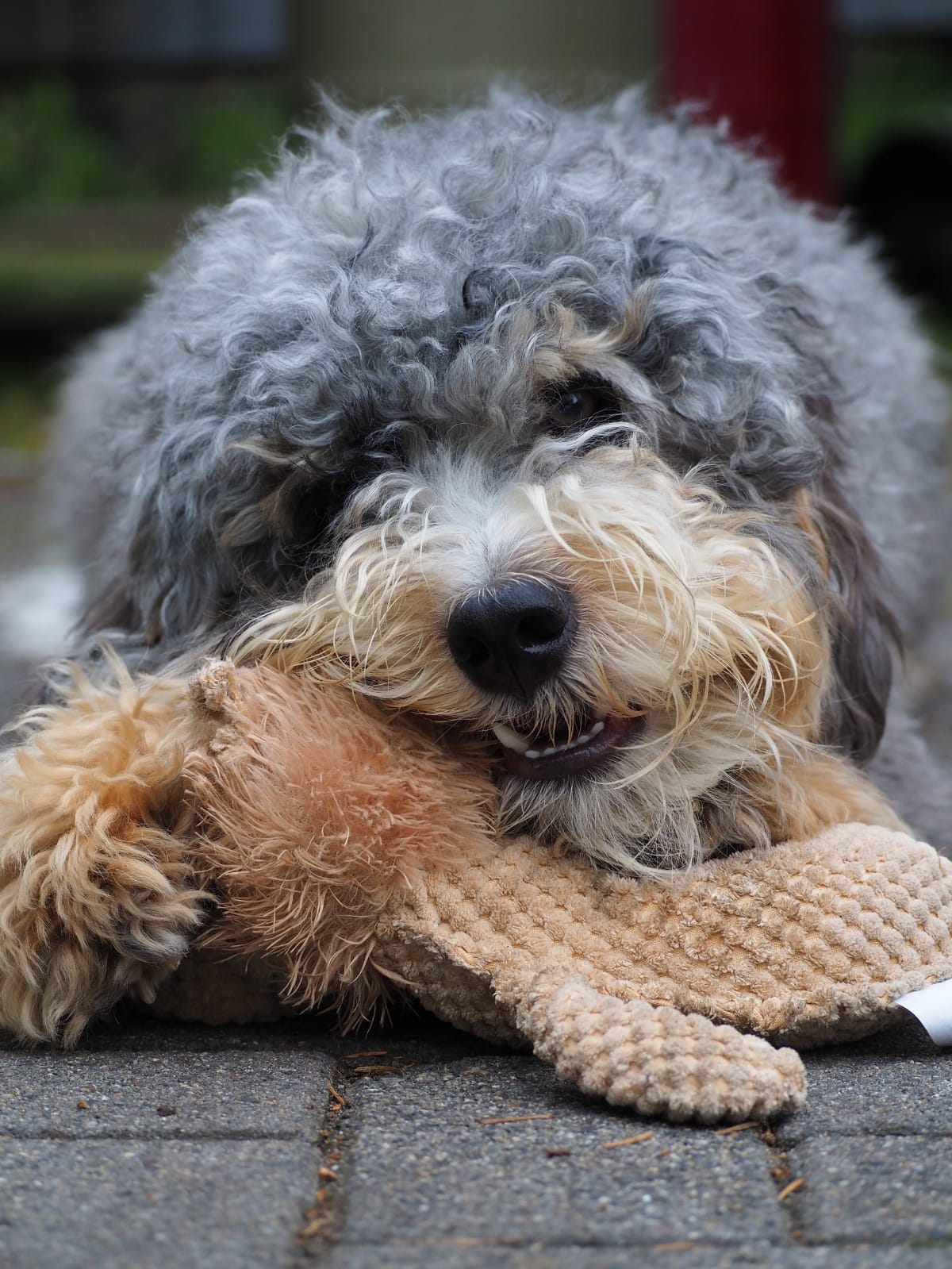
Bernedoodles are a mix of two wonderful breeds: the Bernese Mountain Dog and the Poodle. They inherit the best traits from both parents, including:
-
Intelligence and trainability
-
Friendly and social personality
-
Low-shedding, hypoallergenic coat
The first intentional breeding of Bernedoodles happened in 2003, thanks to Sherry Rupke from Swissridge Kennels. Her goal was to combine the Bernese Mountain Dog’s calm, loving nature with the Poodle’s low-shedding coat. Since then, Bernedoodles have become one of the fastest-growing designer dog breeds in the U.S.
Parent Breeds of Bernedoodles
Even though Bernedoodles are a relatively new breed, their parent breeds have long, fascinating histories:
-
Bernese Mountain Dogs: Farm dogs from the Swiss Alps, used for herding and pulling carts.
-
Poodles: Originally from Germany and France, bred as water retrievers and famous for intelligence and trainability.
By crossing these breeds, Bernedoodles inherit loyalty, intelligence, and a playful, loving personality, making them excellent family pets.
POODLES
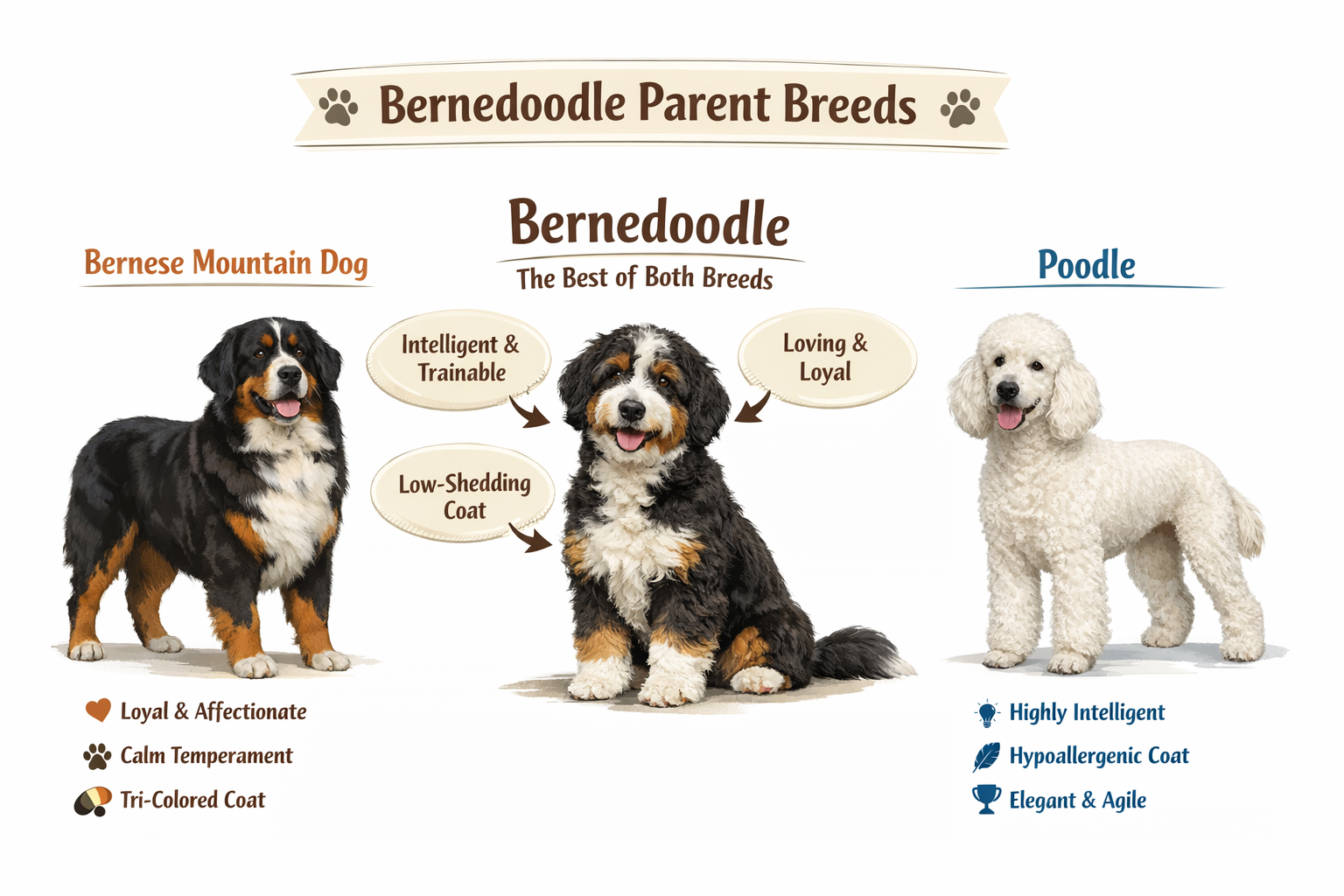
Poodles are intelligent and versatile dogs that trace their origins to Germany and France. Originally bred as water retrievers, they excel at swimming and retrieving game from water.
Key traits of Poodles:
-
Highly intelligent — ranked as the second most intelligent dog breed
-
Loyal and devoted to their owners
-
Elegant show dogs — often seen in competitions for agility and style
-
Hypoallergenic coat — low shedding, making them a popular choice for crossbreeds like Bernedoodles
BERNESE MOUNTAIN DOGS
Many people know Bernese Mountain Dogs for their large size, striking tri-colored coats, and calm temperament. But learning about their origins is equally fascinating:
Origin: Swiss Alps
Purpose: All-around farm dogs — used to herd livestock, pull carts, and guard properties
Traits inherited: Loyal, hardworking, and versatile
Key traits of Bernese Mountain Dogs:
-
Loyal and affectionate — love to cuddle and be around family
-
Intelligent — easy to train, though they can be a little stubborn at times
-
Playful — enjoy games and social interaction
-
Gentle nature — great with children and other pets
-
Slightly slobbery — a minor trait that comes with their affectionate personality
These qualities make them the perfect parent for Bernedoodles, passing on their intelligence, loyalty, and loving nature to the next generation.
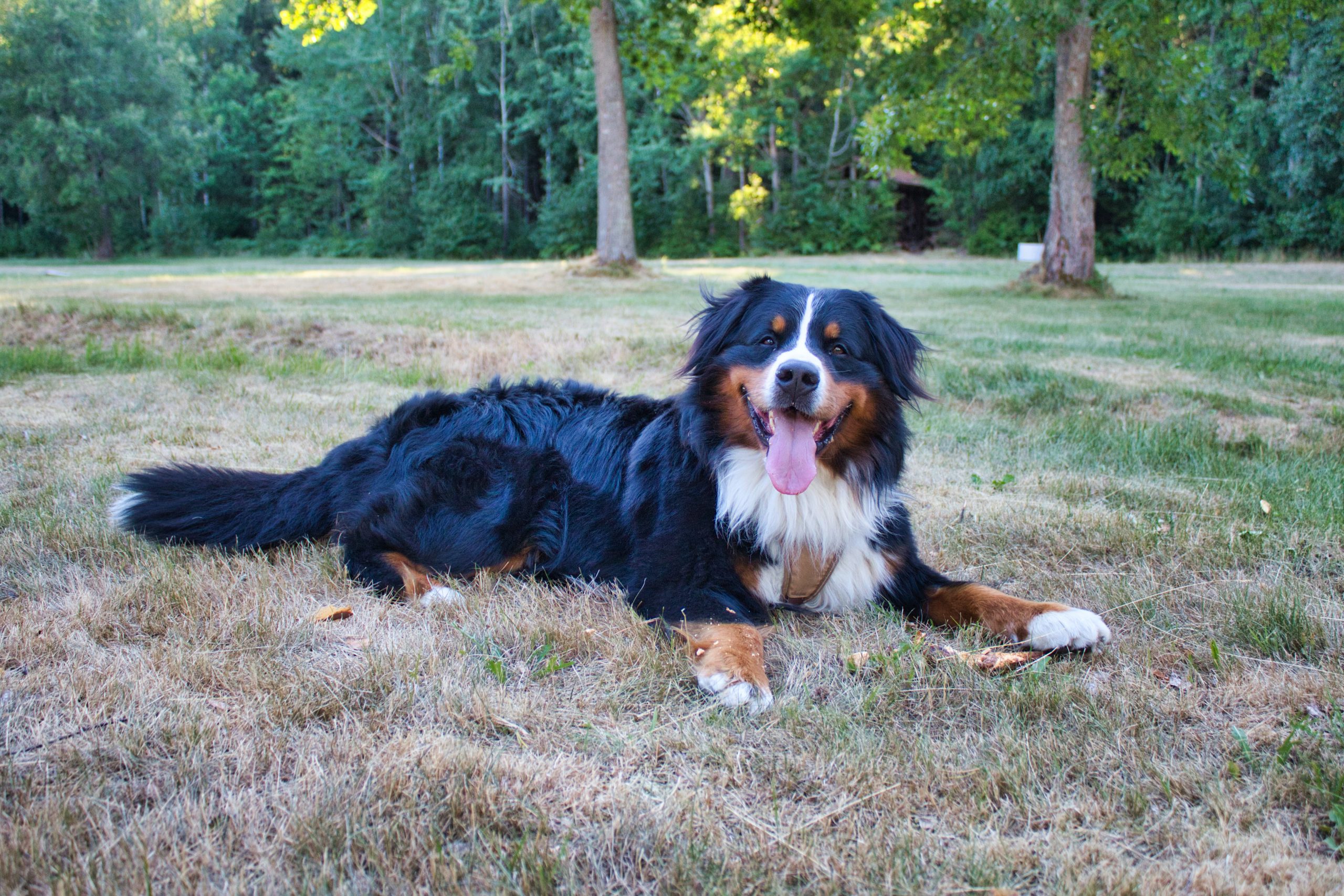
Personal Experience: Our Bernese Mountain Dog
Our Bernese Mountain Dog was incredibly loyal and friendly, not just with people but also with other dogs. He had a calm and gentle nature, making him a wonderful companion at home. Despite his large size, he was very affectionate and loved spending time with family. He also had a playful side, enjoying walks and outdoor activities, but he was never overly hyper.
His gentle temperament and intelligence made training easier, although, like many Bernese, he could be a little stubborn at times. Overall, he was a loving, trustworthy, and reliable family dog — traits that have clearly passed down to many Bernedoodles.
Bernedoodle Personality and Behavior
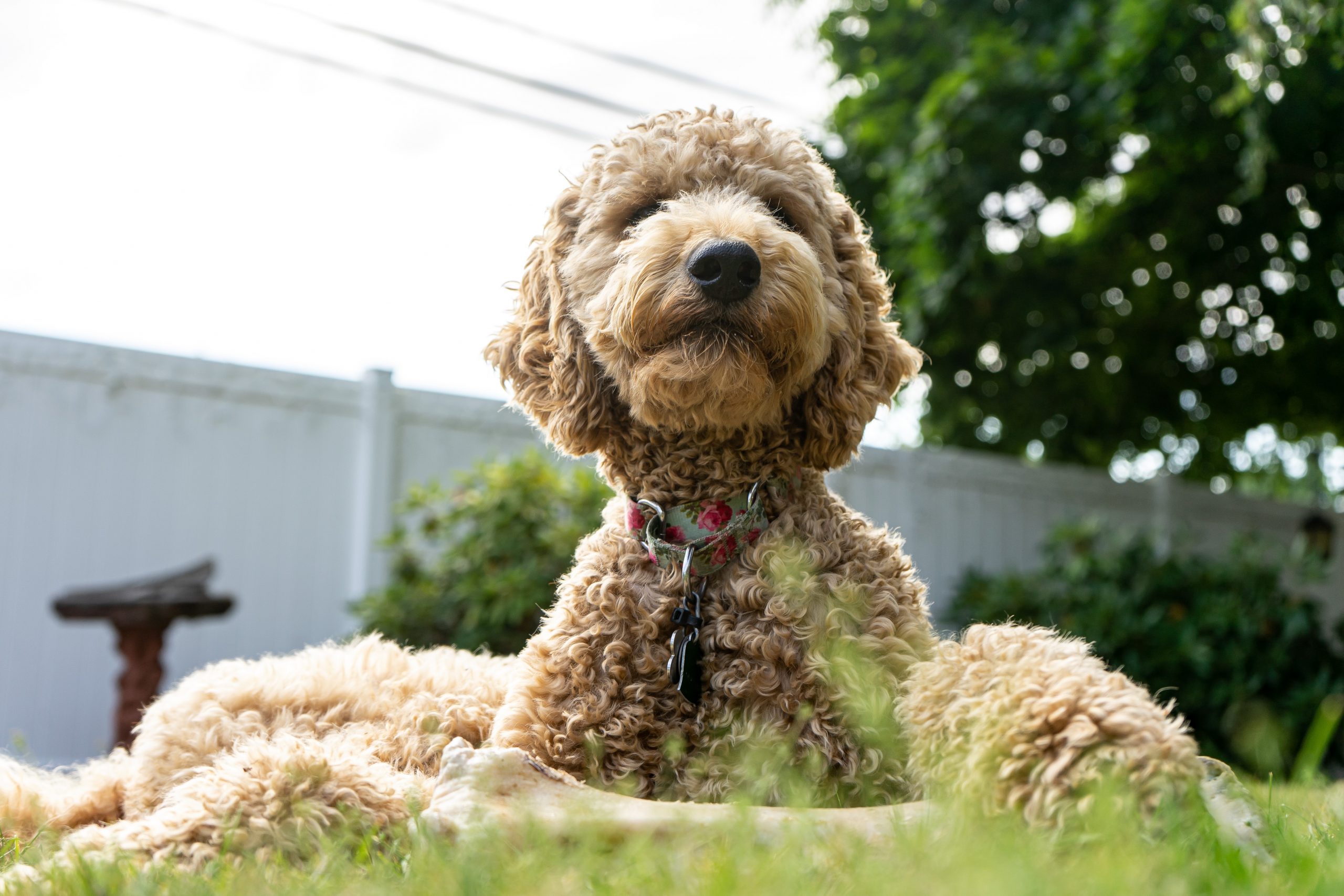
Bernedoodles inherit many wonderful traits from their parent breeds. While inherited traits can vary, many owners report that Bernedoodles are:
-
Highly intelligent
-
Loyal and affectionate
-
Playful and social — love spending time with people and other pets
Bernedoodles are excellent with children, as long as they have been appropriately socialized. This makes them exemplary family pets.
Are Bernedoodles Stubborn?
Bernedoodles can sometimes appear to be a bit stubborn, usually inherited from their Bernese Mountain Dog side. At times, it may seem like they’re unwilling to learn, but often it’s just a matter of how they are trained.
This behaviour doesn’t completely disappear and can show up throughout their life. Some dogs are easier to train, while others remain a little more strong-willed.
The key is patience and understanding your dog’s personality. With consistent training and gentle guidance, you can manage their stubbornness and still have a happy, well-behaved Bernedoodle.
From my experience with Bernedoodles, what people call “stubbornness” is often just independence.
Some dogs learn quickly but choose when to listen.
Others need more repetition and patience.
This doesn’t mean they are difficult dogs.
It simply means they learn and respond in their own way.
Socialization and Stranger Interaction
Socialization is crucial:
-
Lack of early socialization can make some Bernedoodles shy or anxious around new people. Proper socialization helps them feel confident and comfortable with visitors.
-
Early exposure to people and other dogs helps them grow into well-rounded, confident adults.
Exercise Needs
The energy levels of Bernedoodles can vary widely, and size isn’t always the main factor. A dog’s personality and which traits it inherits from its parents—Bernese Mountain Dog or Poodle—play a big role.
- Smaller Bernedoodles often have lots of energy and need regular play and activity.
- Larger Bernedoodles can be calm, but some still have high energy and enjoy walks or light jogging.
- Overall, energy levels depend more on the dog’s personality and the traits inherited from their parents
Every Bernedoodle is unique, so it’s important to consider both size and personality when planning their daily activity.
Bernedoodles also benefit from mental stimulation, which is critical to prevent destructive behaviors:
-
Puzzle toys
-
Training sessions
-
Interactive games
Even short play sessions or brief mental challenges can help keep your Bernedoodle happy and healthy.
Living Situations and Crate Training for Bernedoodles
Bernedoodles are adaptable dogs and can fit into various living situations.
-
Mini Bernedoodles: Often comfortable in apartments, as long as they get enough exercise and mental stimulation.
-
Larger Bernedoodles: Generally prefer homes with more space or a yard for activity, though some can adjust to smaller spaces with sufficient walks and playtime.
Bernedoodles are social dogs that enjoy spending time with people. Separation anxiety can happen in some, often due to insufficient early socialization.
Crate training can be helpful, but it’s not always necessary. From my experience with Bernedoodles, some took to crate training but never seemed completely comfortable with it, while others had crate training yet didn’t appear to need it at all.
This shows that whether a crate is needed depends mostly on the dog’s individual personality. Observing your Bernedoodle and providing a safe, comfortable space is the best way to ensure they feel happy and secure.
Personal Note
My Bernedoodle Cooper always comes over for cuddles on the couch. If he doesn’t get attention, he scrapes at the cushions with his paws until you notice him. Sometimes he can keep this up for hours during the day, taking short breaks in between, just to get love and attention.
Caring for Bernedoodle Dogs
Tiny and mini Bernedoodles can adapt well to apartment life, while larger Bernedoodles are more comfortable with a yard to move around. In general, Bernedoodles aren’t destructive — they’re more like cuddly teddy bears. As long as their mental and physical needs are met, they’re calm, affectionate, and well-behaved.
Bernedoodles usually like being with people, so the less time they spend alone, the better. These dogs are quite intelligent; therefore, they can quickly learn both good and bad habits. It is imperative to continue training your dog to ensure that it does not develop undesirable behaviors.
It is also beneficial to socialize your Bernedoodle early. Expose them to humans and other dogs to optimize behavior when meeting strangers or other pets. Proper socialization ensures a confident, well-adjusted dog.
Feeding Your Bernedoodle
Feeding requirements are usually individualized and depend on your dog’s size, age, and activity level. Standard Bernedoodles can often gulp whatever food is offered, so it’s important to monitor their intake and weight, while providing optimal physical activity. Consult an expert to determine the best diet for your specific dog.
-
Puppies: Should eat 3-4 times per day. Use a balanced puppy diet.
-
Six months: Feed twice a day.
-
Adults: Switch to a complete adult dog diet.
It is essential to choose high-quality dog food. Many owners prefer to mix dry and wet food for a more complete diet. Raw feeding is also a popular option.
Protein is the most important nutrient for Bernedoodles, and meat should be the predominant ingredient. As a general guideline, feed your dog about 20 calories per pound of body weight.
Exercise and Play
As long as Bernedoodles are given plenty of playtime and a decent walk, they are incredibly joyous. These dogs enjoy hiking, running, jumping, and swimming, especially if they have inherited the Poodle’s love for water.
Exercise needs can vary depending on the size of your Bernedoodle:
-
Smaller Bernedoodles usually have higher energy levels and need frequent physical activity.
-
Larger Bernedoodles tend to be calmer but still enjoy long walks or light jogging.
Mental stimulation is equally important. Puzzle toys, training exercises, and interactive sessions help tire your dog out and reduce destructive behaviors.
Grooming Your Bernedoodle
Grooming requirements depend heavily on the type of coat:
-
Straight coat: Brush at least once a week.
-
Wavy or curly coat: Requires brushing several times a week to prevent matting.
-
Professional grooming every few months may be needed to trim the coat and maintain proper shape.
Bernedoodles with wavy or curly coats are often hypoallergenic, but they require more intense grooming than straight-coated Bernedoodles. Proper grooming keeps your dog comfortable and healthy while maintaining their beautiful appearance.

Characteristics of Bernedoodle Dogs
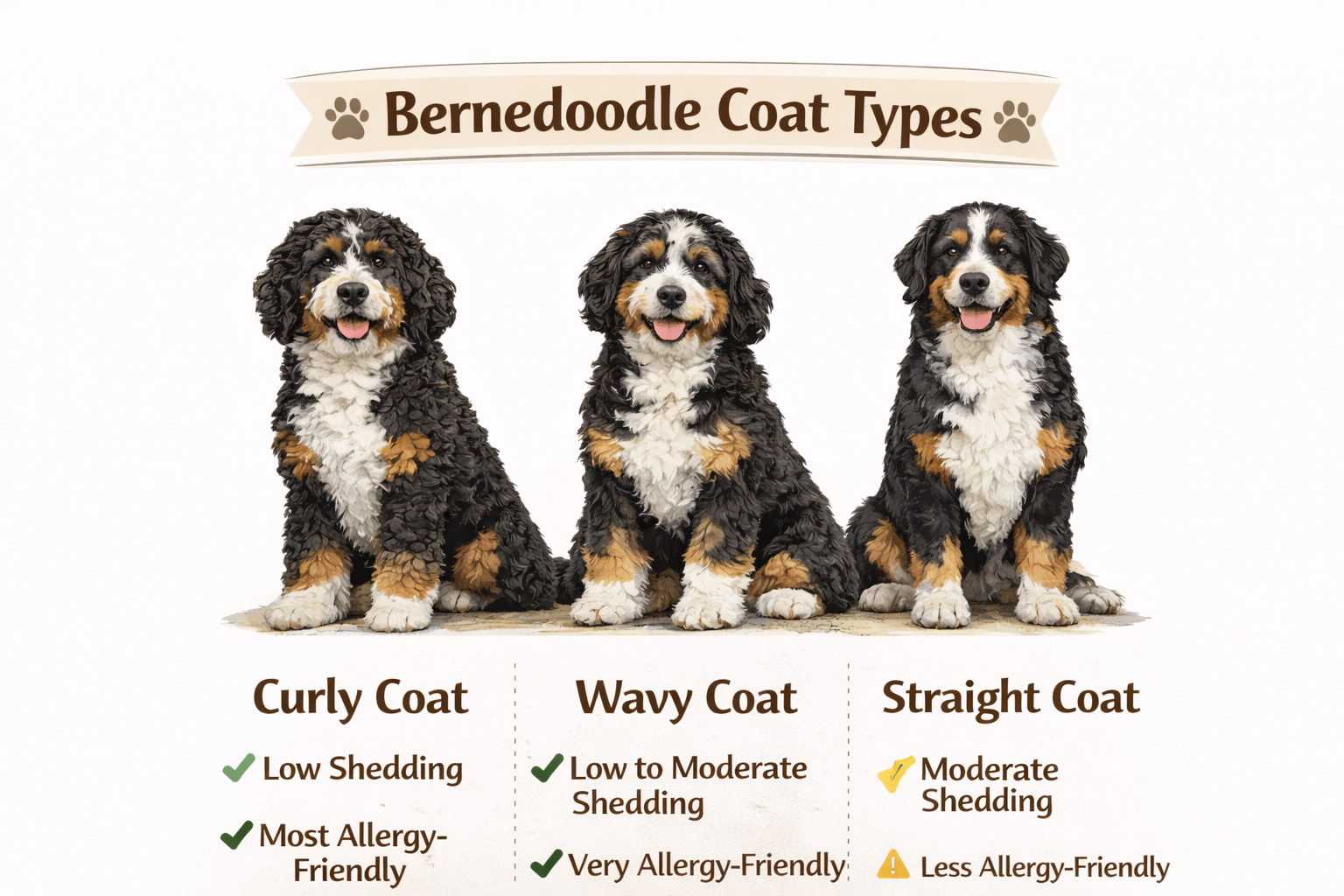
Bernedoodles can have curly, wavy, or straight hair. Usually, the curlier the coat, the more hypoallergenic the dog is. Their coat is dense and thick, with a slightly harsh texture.
Bernedoodles coat protects from cold weather, shields their skin from the sun, and helps prevent minor scratches.
Colors and Appearance
Bernedoodles come in many colors, including:
-
Black, white, and rust (traditional tri‑color) — the classic Bernedoodle look
-
Chocolate or brown with white and tan accents
-
Black & white (bi‑color)
-
Cream, red, or apricot shades
-
Merle patterns (blue merle, red merle, merle tri‑color)
-
Parti coats (white with patches)
-
Phantom markings
-
Sable shading or brindle highlights
-
Rare diluted shades like silver or blue
Physical traits:
Bernedoodles have a well-proportioned, square-shaped body that gives them a balanced and sturdy appearance. Their eyes are dark, oval, and spaced widely apart, giving them a gentle and expressive look. The ears hang close to their heads, framing their face in a soft, cuddly way.
Their muzzles are long and slightly tapered, creating an alert yet friendly expression. Bernedoodles carry a bushy tail that’s often held high, reflecting their playful and confident nature. Their paws are thick and cushioned, perfect for walking, running, and all kinds of playtime adventures.
Temperament and Behavior
-
Intelligent and trainable – Especially as puppies, they learn commands quickly and respond well to positive reinforcement.
-
Playful and energetic – They love games and activity, but can also be calm and relaxed when needed.
-
Affectionate and cuddly – Some are more snuggly, while others may be a bit more independent depending on their Bernese Mountain Dog or Poodle heritage.
-
Social and friendly – Generally outgoing and enjoy spending time with people and other pets.
-
Sometimes mischievous or stubborn – Particularly in puppyhood; patience and consistent training help.
-
Independent vs. loyal – Bernedoodles with more Poodle traits tend to be a bit more independent, while those with more Bernese Mountain Dog influence often show stronger loyalty and attachment to their owners.
-
Varied personalities – Each dog is unique; energy levels, cuddliness, and playfulness can differ.
They can retain puppy-like behaviors for a long time, keeping their playful personality well into adulthood.
Chewing and Playfulness
Bernedoodles can be heavy chewers, though it varies by individual. Some love to chew and need plenty of appropriate chew toys to prevent furniture, walls, or shoes from being damaged. Others aren’t very interested in chewing at all.
Chewing tendencies depend on the dog’s personality, so it’s important to observe your Bernedoodle and provide toys or outlets as needed.
Family-Friendly
-
Bernedoodles love children and enjoy their company
-
They thrive being around people and are not suited to being kept in kennels for long periods
Breed Ratings (Source: Dogtime)
| Trait | Rating /5 |
|---|---|
| Amount of shedding | 1 |
| Drooling potential | 2 |
| Ease of grooming | 3 |
| General good health | 4 |
| Potential for gaining weight | 3 |
| Size | 3 |
| Trainability | 4 |
| Intelligence | 5 |
| Tendency to bark | 3 |
| Wanderlust potential | 3 |
| Energy level | 4 |
| Intensity | 3 |
| Playfulness potential | 5 |
These ratings from DogTime align with my own experience with Bernedoodles. They are intelligent, playful, and generally healthy dogs, just as shown in the table above.

The Coat of Bernedoodle Dogs
Bernedoodles can have curly, wavy, or straight coats. With careful breeding, responsible breeders can produce dogs with predictable coat types and shedding levels. One of the most popular features of Bernedoodles is their low tendency to trigger allergies and reduced shedding, which makes them ideal for families sensitive to pet dander.
Their coats are also visually appealing, and researchers have noted that genetics can influence coat appearance, texture, and shedding.
Coat Types
-
Wavy Coat: Straight hairs on the muzzle with wavy hair on the rest of the body. One of the most popular coat types.
-
Straight Coat: Hairs are straight all over the body. Usually sheds the most and is less hypoallergenic, although slight waves may occur.
-
Curly Coat: Tight, soft curls inherited from the Poodle parent. This coat sheds the least and is most hypoallergenic.
-
Fleece or Wavy Variations: Shedding can vary from low to nearly non-existent.
Furnishings and Improper Coats
-
Furnishings: Refers to the longer hairs on the face, including the mustache and beard. Most Bernedoodles have these.
-
Incorrect Coat: Lack of furnishings is a dominant genetic trait and can be identified by testing the parents’ genetic makeup.
Tip: Bernedoodles with proper furnishings tend to shed less. If someone in your family has allergies, a furnished Bernedoodle is a better choice than one with an incorrect coat.
Shedding and Maintenance
-
Shedding Levels:
-
Curly coat: Least shedding, most hypoallergenic
-
Wavy coat: Moderate shedding, can be hypoallergenic
-
Straight coat: Most shedding, least hypoallergenic
-
-
Brushing & Grooming:
-
Curly or wavy coats require near-daily brushing to prevent matting.
-
Regular trimming is recommended to maintain coat health.
-
Even with shedding, Bernedoodles usually shed on themselves rather than spreading hair around the house.
-
Remember: The curlier the coat, the less your Bernedoodle will shed — which is ideal for allergy-sensitive homes.
The Size of Bernedoodle Dogs
Bernedoodles come in a wide range of sizes. Their adult size mainly depends on the size of the Poodle parent, combined with the naturally large build of the Bernese Mountain Dog.
Because Bernedoodles are crossbreeds, their final size can vary even within the same litter.
Parent Breed Sizes
Bernese Mountain Dog
-
Height: 23–27.5 inches (58–70 cm)
-
Weight: 32–52 kg (70–115 lbs)
Bernese Mountain Dogs are large, sturdy dogs and strongly influence the potential size and build of a Bernedoodle.
Poodle Sizes
Poodles come in three officially recognized sizes: Toy, Miniature, and Standard.
Toy Poodle
-
Height: Up to 10 inches (≤ 25.4 cm) at the shoulder
-
Weight: 4–6 lbs (1.8–2.7 kg)
-
Small, lightweight, and compact
Miniature Poodle
-
Height: 10–15 inches (25.4–38 cm) at the shoulder
-
Weight: 10–20 lbs (4.5–9 kg)
-
Athletic, agile, and commonly used in doodle crosses
Standard Poodle
-
Height: Over 15 inches (≥ 38 cm) at the shoulder
-
Weight: 40–70 lbs (18–32 kg)
-
Strong, intelligent, and the largest Poodle size
Bernedoodle Sizes
Toy Bernedoodle
-
Result of a Toy Poodle × Bernese Mountain Dog cross
-
Very small and relatively rare
-
Best suited for owners looking for a compact companion
- Height: 12-17 inches tall (30.5 to 43 cm)
- Weight: less than 20 pounds (less than 51cm)
Note: True Toy Bernedoodles are uncommon due to the size difference between the parent breeds.
Mini Bernedoodle
-
Result of a Miniature Poodle × Bernese Mountain Dog cross
-
Height: Approximately 11–18 inches (28–46 cm)
-
Weight: 25–50 lbs (11–23 kg)
Mini Bernedoodles are one of the most popular sizes, offering a balance between manageable size and the classic Bernedoodle look.
Standard Bernedoodle
-
Result of a Standard Poodle × Bernese Mountain Dog cross
-
Height: Approximately 20–23 inches (51–58 cm)
-
Weight: 60–100 lbs (27–45 kg)
Standard Bernedoodles are large, strong dogs and need more space than smaller varieties.
Important Size Note
Bernedoodles are crossbreeds, so exact adult size can never be guaranteed. Genetics, parent size, and growth patterns all play a role.
If you’re hoping for a Bernedoodle within a specific size range, it’s best to:
-
Ask about parent sizes
-
Review previous litters
-
Discuss growth expectations with a reputable breeder
Bernedoodle Health: What You Need to Know
Understanding your Bernedoodle’s health is crucial. Like all dogs, Bernedoodles may develop certain health conditions during their lifetime. Some issues can be inherited from their parent breeds, so it’s important to check your puppy’s lineage and get lab tests when possible.
Although crossbreeding can reduce undesirable traits, it cannot eliminate all risks. Bernedoodles can be prone to certain conditions, so regular veterinary check-ups are essential for early diagnosis and care.
With responsible breeding, most Bernedoodles lead healthy, happy lives.
Common Health Conditions and Management
Hip Dysplasia
-
Usually affects larger breeds.
-
The hip joint develops abnormally, causing pain and limited movement.
-
Dogs may have trouble walking or sit unusually.
-
Diagnosis: Physical exam and hip X-rays.
-
Management: Anti-inflammatory drugs, physical therapy, joint supplements; severe cases may require surgery.
Elbow Dysplasia
-
More painful and complex than hip dysplasia.
-
Can be inherited or develop later in life.
-
Diagnosis: CT scan or MRI.
-
Management: Surgery, physiotherapy, and multiple rehab stages for full recovery.
Color Dilution Alopecia
-
A skin condition that causes hair loss, broken hair, or flaky skin.
-
Heritable, diagnosed via dermatohistopathology tests.
-
Management: No cure, but symptoms can be controlled with antibiotics, vitamin A, and essential fatty acids.
Hyperadrenocorticism (Cushing’s Disease)
-
Caused by excessive cortisol hormone.
-
Symptoms: Increased hunger, thirst, urination, weakness, and neurological changes.
-
Diagnosis: ACTH stimulation test or low-dose dexamethasone test.
-
Management: Surgery or other veterinary treatment depending on severity.
Von Willebrand Disease
-
Caused by deficiency of von Willebrand factor, leading to excessive bleeding.
-
Symptoms: Nosebleeds, gum bleeding, or prolonged bleeding from minor injuries.
-
Diagnosis: Buccal mucosal screen test.
-
Management: Mild cases may require medication (aspirin, penicillin), emergency cases may need a blood transfusion.
Other Potential Conditions
-
Cataracts
-
Epilepsy
-
Progressive retinal atrophy
Tip: To reduce the risk of genetic diseases, ask your breeder for health clearances and consider genetic testing before bringing a Bernedoodle home.
Conclusion
Bernedoodles are truly special dogs, combining the best traits of the Bernese Mountain Dog and the Poodle. They are intelligent, playful, affectionate, and adaptable, making them wonderful companions for families, singles, or seniors alike. While each Bernedoodle is unique, their mix of loyalty, friendliness, and energy makes them a joy to have at home.
From my own experience, every Bernedoodle has its own personality—some are cuddly and clingy, while others are independent and playful. Understanding their needs, providing proper training, socialization, and care will ensure your Bernedoodle grows into a happy, well-adjusted pet.
Whether you’re considering a Mini Bernedoodle for apartment life or a larger Bernedoodle for a home with space to play, these dogs have the versatility and loving nature to fit into almost any household. With attention, love, and care, a Bernedoodle isn’t just a pet—they’re a lifelong companion.

Recent Comments